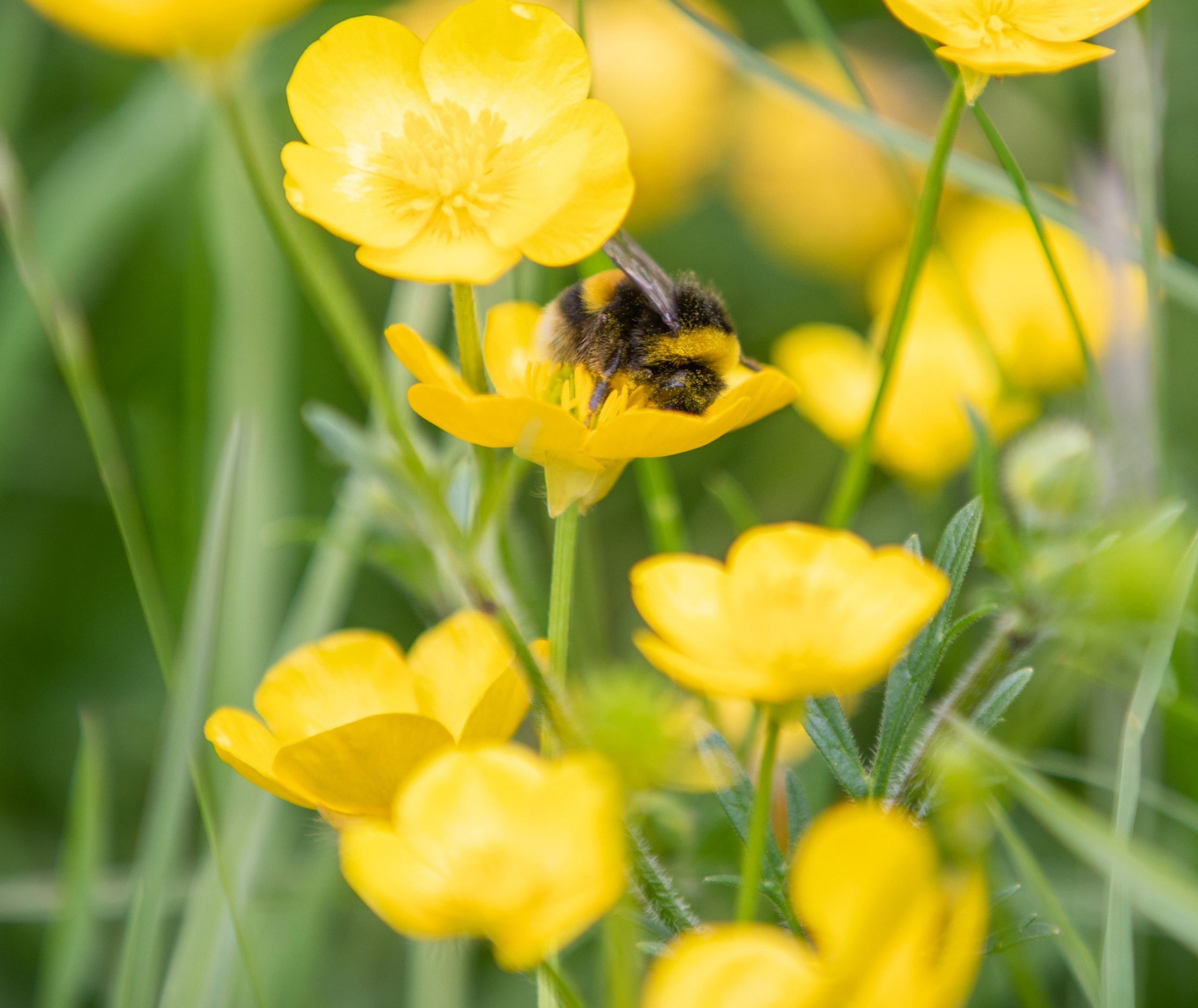
The Native Irish Honey Bee Society has warned against importing Queens this spring.
This is due to the detrimental effects importing Queens can have on biodiversity and the native Irish Honey Bee.
The aim of the group is the conservation of the native species, and currently, there is a bill at Leinster House that will support and protect the native Irish Honey Bee if passed.
Aine Curran from Donegal Bees explains the problems associated with importing non native bees, and gives details on how to get involved in beekeeping:
**********
(Further detail from Donegal Bees)
NIBHS (Native Irish Beekeeping Society) main aim
Promote the conservation, study, improvement, and re-introduction of the native Irish honey bee across Ireland.
Encourage bee-improvement and breeding groups to maintain strong native genetics.
and Provide education and raise public awareness about the importance of the native Irish honey bee.
Encouragingly, the proposed legislation to support the protection of the native Irish honey bee has already passed in the Seanad Éireann. The next step is for the bill to go before Dáil Éireann, They are optimistic that it will be passed
Beekeepers can help conserve the Irish Black Bee (IBB):
Beekeepers can help by making sure that any bees or queens they buy are Irish Black Bees (IBB). The best way to do this is to buy from trusted breeders. A list of approved breeders can be found on the Native Irish Honey Bee Society (NIHBS) website.
The Irish Black Bee (IBB) is well adapted to Ireland’s climate. It is a pure native strain, and protecting it is important. To help keep it pure, it is important to avoid hybridisation with imported bees.
If the Protection of the Native Irish Honey Bee Bill is passed in Ireland, it would have several important effects for beekeepers and for the native bee.
- Ban on importing non-native honey bees
The main change would be a ban on importing non-native honey bees into Ireland. This is intended to protect the native Irish honey bee from cross-breeding with imported bees.
- Protection of the native Irish bee
The law would help protect the native Irish honey bee, Apis mellifera mellifera, often called the Irish Black Bee. This bee has adapted over thousands of years to Ireland’s climate and environment.
- Reduce hybridisation
By limiting imports, it would reduce hybridisation (cross-breeding) between native bees and imported strains, helping keep the native genetics strong.
- Biosecurity and disease protection
The law would also help reduce the risk of new pests or diseases being brought into Ireland through imported bees.
- What it means for beekeepers
If passed, beekeepers would likely need to:
- Source queens and bees within Ireland
- Buy from approved or local breeders
- Focus more on breeding native Irish Black Bees
Resources in Ireland
Organisations & Support Networks
- Native Irish Honey Bee Society (NIHBS) – Focuses on conserving the native Irish honey bee (Apis mellifera mellifera) and offers information, advice, publications, breeder contacts, and downloadable booklets on native bee protection.
• Irish Bee Foundation – Provides training courses, an education hub, workshops, and community support for beekeepers, including sustainable practices and conservation awareness.
• Federation of Irish Beekeepers’ Associations (FIBKA) – Ireland’s largest beekeeping organisation, offering education, advocacy, member support, and links to local associations.
• Local Beekeepers’ Associations – There are many county‑based clubs (e.g., Kingdom Beekeepers Association) that provide meetings, mentoring, queen‑rearing groups, and practical experience.