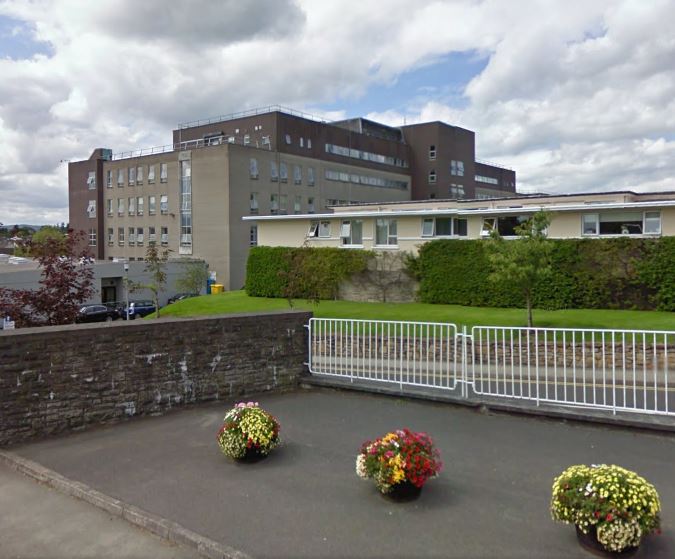
Letterkenny University Hospital had the fifth highest number of admitted patients awaiting beds in July, with Sligo in fourth place. Together, the two North West hospitals make up 13% of the national total.
Figures published today by the INMO show throughout July, a total of 9,271 admitted patients were either on Emergency Department trolleys or in unsuitable locations on wards.
Of those, 505 were in Letterkenny University Hospital, and 706 in Sligo, a North West total of 1,211.
The highest figure was recorded at University Hospital Limerick, with 2,257 admitted patients without beds over the month.
That’s followed by Galway with 1,146, and Cork with 889 patients.
In a statement, the INMO General Secretary Phil Ní Sheaghdha says all signs are pointing towards an extremely busy winter period, and with over 68,000 patients already admitted to an inappropriate care space in Irish hospitals so far this year, all trends suggest it will have another record-breaking year for trolley admissions unless urgent measures are taken.
**********************
INMO statement in full –
9,271 patients on trolleys in July – action needed ahead of Autumn
Press Release
1st August 2025
Irish Nurses and Midwives Organisation
Over 9,271 people were treated on a trolley, chair or in another inappropriate space throughout Irish hospitals during the month of July. 368 patients are without a bed today.
The number of patients on trolleys were highest in:
1 University Hospital Limerick (2,257 patients)
2 University Hospital Galway (1,146 patients)
3 Cork University Hospital (889 patients)
4 Sligo University Hospital (706 patients)
5 Letterkenny University Hospital (505 patients)
INMO General Secretary Phil Ní Sheaghdha said:
“The figures speak for themselves, and high trolley numbers in summer only send a negative message to our healthcare workers and the people of this country. Nurses and midwives are disheartened heading into the autumn winter period, and they already know they will have to endure the added pressure of flu and other viral infections including COVID.
“Trolleys are no longer just a feature in our emergency departments, they have now unfortunately become a feature across medical and surgical wards. In the space of ten years, the number of people receiving care on a trolley outside of the emergency department has risen by 30%. The Government’s capital plan must include expanding the number of beds.
“Our members are already providing care under stress and strain due to hospital overcrowding and that has a negative impact on them and the patients in their care. The union has repeatedly called on the HSE for a commitment to building up our community services across the island to ensure we are set for seasons when we know there will be in increase in infections and increased hospital overcrowding.
“All signs are pointing towards an extremely busy winter period. Over 68,154 patients have been admitted to an inappropriate care space in our hospitals so far this year and all trends suggest that we will have another record-breaking year for trolley admissions unless urgent measures are taken.
“In the INMO’s pre-budget submission we have called for a rebalancing of resources toward workforce development, the development of primary care and community services, the promotion of universal healthcare, and the expansion of nurse and midwife-led services. At the same time addressing the capacity issues, increased bed capacity across the health service, reducing waiting lists and addressing the privatisation of long-term care. These measures will deliver stronger, more sustainable health outcomes and greater value for every euro spent.
“There is a remedy for perpetual trolley crises if the Government wishes to invest properly in the health service.”