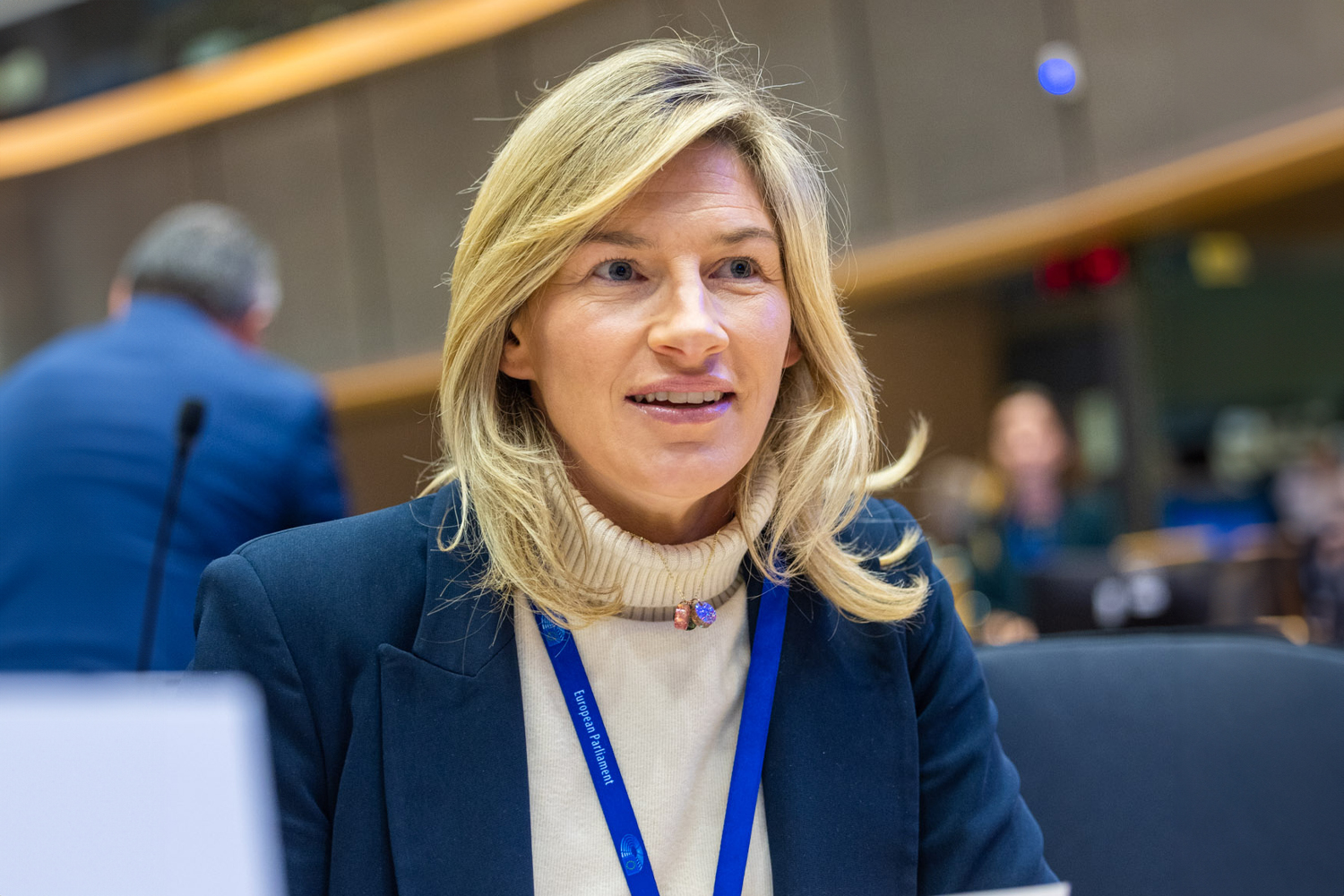
Midlands North West MEP Nina Carberry is to be the EPP’s main negotiator in the Budget Committee on the future of the Common Agricultural Policy.
The EPP is the parliament’s largest political grouping, and the one to which Ms Carberry’s party, Fine Gael, belongs.

Last year, €136 million in CAP was distributed in Donegal, and she says protecting that is her first priority.
Ms Carberry is concerned about proposals to fold all CAP projects into a single EU fund, and she’ll be fighting to ensure that funding for community development projects such as Leader is ringfenced and protected………..
Statement in full –
MEP Nina Carberry has been appointed to lead negotiations on the future Common Agricultural Policy (CAP 2028–34) for the European Parliament’s largest political group on the Budget Committee.
In her new role, Carberry will draft the Parliament’s budget position on the next CAP, which remains the single largest component of the nearly €2 trillion EU fund.
The news comes several days after €136 million was issued in Donegal by the Department of Agriculture, Food and the Marine over the course of 2025.
Speaking after her appointment in Brussels, Carberry said she was honoured to be entrusted with the responsibility for the Parliament’s largest party, the EPP, which has 190 MEPs:
“Since entering the European Parliament 18 months ago, I have been determined to deliver for my constituents. I am delighted that my colleagues in the European People’s Party have given me the opportunity to help shape the next Common Agricultural Policy.”
Carberry confirmed she will seek an increased CAP budget, with a strong focus on cutting red tape.
“We are starting with a proposed ring-fenced €300 billion for direct payments and basic income support, and a new minimum 10% rural target. However, this still represents a smaller share of the EU budget than in the existing CAP period,” she said.
“There is significant work ahead to ensure that both basic income and rural development funding is increased and that the overall CAP budget reflects the importance of food security.”
Carberry also highlighted the need to align CAP investment with research and innovation funding, which has been increased to €175 billion for the next seven-year period, and said generational renewal must be central to all elements of the next CAP.
However, she expressed concern about proposals to fold CAP funding into a single EU fund.
“Rolling CAP into a single fund carries serious risks. CAP must remain clearly ring-fenced. Its common nature is essential – it cannot become 27 different national policies.”
Over the coming months, Carberry will prepare amendments to the Parliament’s budget report and begin consultation with farmers, community organisations, and other key stakeholders.