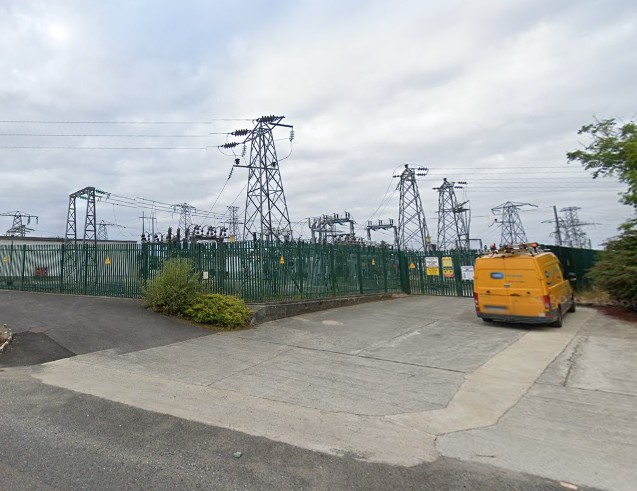
Nine projects and programmes are being designated by the Government as critical infrastructure, including the Letterkenny 110 kilovolt Redevelopment Project.
Other initatives include MetroLink, the Galway Ring Road and the Greater Dublin Drainage Scheme, with the nine schemes being placed at the ‘top of the queue’ for faster processing and decision making.
The Infrastructure Minister says the Government has committed unprecedented levels of capital investment to infrastructure, but adds the pace of delivery needs to accelerate.
Jack Chambers says the legislation will make real, tangible improvements for people………………
Government Designates Projects and Programmes as Critical Infrastructure
- From: Department of Public Expenditure, Infrastructure, Public Service Reform and Digitalisation
- Published on:
- Last updated on:
MetroLink, Galway Ring Road and Greater Dublin Drainage are among first tranche of projects designated under new powers placing them at the ‘top of the queue’ for faster processing and decision making
Government has approved the recommendation put forward by the Minister for Public Expenditure, Infrastructure, Public Service Reform and Digitalisation, Jack Chambers TD, to designate nine projects and programmes as critical infrastructure under the Critical Infrastructure Act, 2026.
These are the first tranche of projects to be designated under the new powers to accelerate infrastructure delivery.
The nine projects designated are:
Transport
- MetroLink
- Cork Area Commuter Rail Programme
- Galway City Ring Road
Water
- Water Supply Project for the Eastern and Midlands Region
- Greater Dublin Drainage Project
- Limerick (Bunlicky) Wastewater Treatment Plant Upgrade and Bioresource Centre
Energy
- North South 400 kV Interconnector
- Moneypoint 400 kV Series Capacitor Project
- Letterkenny 110 kV Redevelopment Project
The Critical Infrastructure Act 2026 allows the Government to designate certain infrastructure projects developed by or on behalf of the State as being of critical national importance.
Designation mandates all public bodies to do everything within their power to accelerate any decision-making processes associated with these projects.
It creates a legal obligation that, among other matters, requires a public body to prioritise the performance of any functions it may have in relation to the designated projects over and above that applied to any other projects.
Designation as critical infrastructure also requires bodies to take any necessary steps to reduce the time required for any authorisation to be completed. The bodies must ensure that these processes are carried out at the same time as similar functions performed by any other public body.
Finally, it requires the allocation of any administrative, technical and decision-making resources needed to accomplish these goals.
This will accelerate the decision making for key State infrastructure projects to the greatest extent possible without dictating specific decisions or creating any conflict with the other statutory duties of public bodies.
Further designation orders will be brought forward at regular intervals throughout the year to ensure continued progress on nationally important infrastructure projects.
Commenting on the announcement, Minister Chambers said: “The designation of these projects demonstrates the Government’s determination to break through inertia, slash project timelines and accelerate the delivery of the infrastructure that our people, communities and businesses urgently need. This Government has committed unprecedented levels of capital investment to infrastructure for the years ahead but the pace of delivery of this investment needs to accelerate.”
Designated projects effectively go to the top of the ‘queue’ for faster processing and decision making by public bodies. Each one of the projects designated are of strategic national importance. They will strengthen our energy network, reduce energy bills, improve water and wastewater capacity and enhance public transport and connectivity. The focus of designation is on energy, transport and water infrastructure because this is the infrastructure we need to accelerate if we are to achieve all of our other national priorities, particularly housing.
The new Critical Infrastructure Act provides the legal framework necessary to ensure that priority projects receive the focus they need. This marks a major step in accelerating the delivery of essential energy, water and transport infrastructure across the country and fulfils a key commitment of the Government’s Accelerating Infrastructure Action Plan.”