Early Childhood Ireland is calling for educators in in its sector to be given pay parity with primary teachers.
The organisation says there is a 20.7% staff turnover rate in Donegal, and addressing the pay differential would help address that issue.
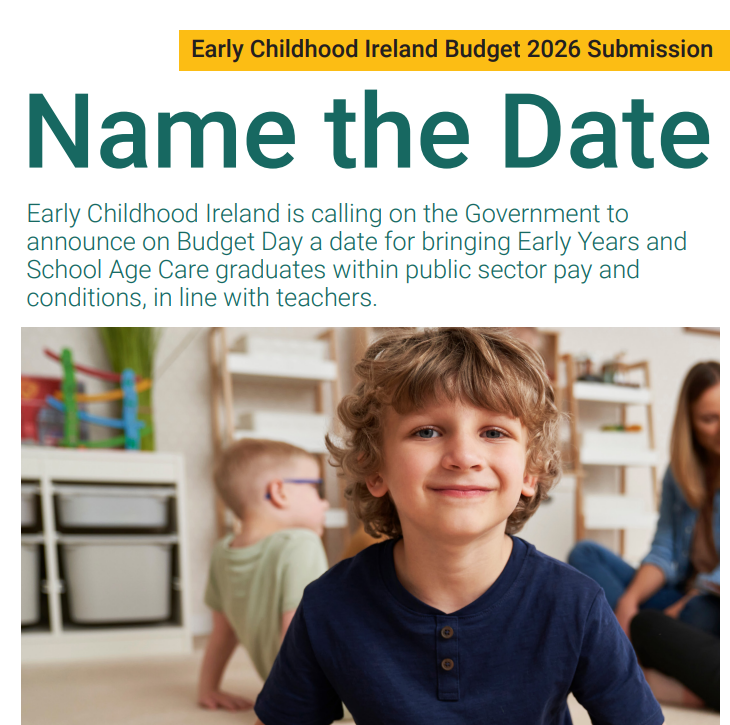
In its Pre-Budget submission, Early Childhood Ireland is urging the government to name a date for the introduction of pay parity for Early Years and School Age Care graduates, who they say are educated and trained to the same level as their peers in primary education.
Director of Policy Frances Byrne says guaranteeing public pay and conditions for such graduates would mark a turning point for the group’s 127 settings in Donegal, where she says too many talented educators are being lost to sectors offering better pay and greater security.
Ms Byrne says bringing Early Years and School Age Care graduates under public sector pay in line with teachers will not only offer a significant degree of certainty and security to staff in Donegal, but also finally acknowledge the instrumental role they play in children’s lives.
CEO Teresa Heeney says the Government must acknowledge the instrumental role early years graduates plan in children’s lives:
***********************************
Release in full –
The government must address 20.7% turnover in Donegal by giving Early Years and School Age Care graduates pay parity with primary teachers – Early Childhood Ireland
Wednesday, 16 July 2025: Amid ongoing recruitment and retention challenges in Donegal, Early Childhood Ireland is calling on the government to name a date to bring Early Years and School Age Care graduates’ pay within public sector pay and conditions, in line with primary school teachers.
In its Budget 2026 submission, the leading membership and advocacy organisation has urged the government to name a date to introduce pay parity for Early Years and School Age Care graduates, who are educated and trained to the same level as their peers in primary education.
Frances Byrne, Director of Policy at Early Childhood Ireland, said, “Guaranteeing public pay and conditions for Early Years and School Age Care graduates would mark a turning point for settings in Donegal. As things stand, we are losing too many talented educators to sectors offering better pay and greater security.”
Donegal’s turnover rate stands at 20.7%
The government is working towards a graduate-led workforce, but official figures show that the average staff turnover rate stands at 20.7% in Donegal. Nationally, over 2,000 staff who changed jobs or left settings in 2023/2024 had an NFQ qualification Level 7 or above, according to Pobal, the organisation that administers Early Years funding.
Commenting on this, Ms Byrne said, “The government is moving in the right direction, but unless a new urgency is brought to the pay issues, Early Childhood Ireland’s 127 member settings in Donegal will continue to lose their most qualified staff at these unsustainable levels.”
Public Pay
There have been recent proposals to increase minimum pay rates for staff by 10 per cent. This will increase base pay, as per the Employment Regulation Order (ERO), from €13.65 to €15 an hour.
Ms Byrne said, “Any increase is welcome, and it is essential that the government maintains financial support for these rates of pay. However, pay levels for the Early Years and School Age Care workforce are still at the mercy of two annual processes, the Joint Labour Committee’s deliberations and the annual Budget. Year after year, staff wait to learn what lies ahead, while key benefits such as annual increments, pensions, and maternity leave top-ups remain out of reach.”
“Bringing Early Years and School Age Care graduates under public sector pay in line with teachers will not only offer a significant degree of certainty and security to staff in Donegal, but also finally acknowledge the instrumental role they play in children’s lives,” Ms Byrne concluded.