A new report launched today by the Western Development Commission has found that counties in the Western Region could unlock significant new opportunities by forging stronger links with the diaspora.
The report, Connected Communities, Global Relationships, is the first comprehensive regional study of its kind and examines how people and organisations can build meaningful links with people overseas who retain family, cultural, professional and emotional connections to the region.
Dr Aisling Moroney, who led the research , says Donegal is well ahead of the pack when it comes to diaspora engagement…….
Release in full –
A new report launched today by the Western Development Commission has found that the West and Northwest of Ireland could unlock significant new opportunities for communities, enterprise, tourism, talent attraction and international connectivity through a stronger and more coordinated approach to diaspora engagement.
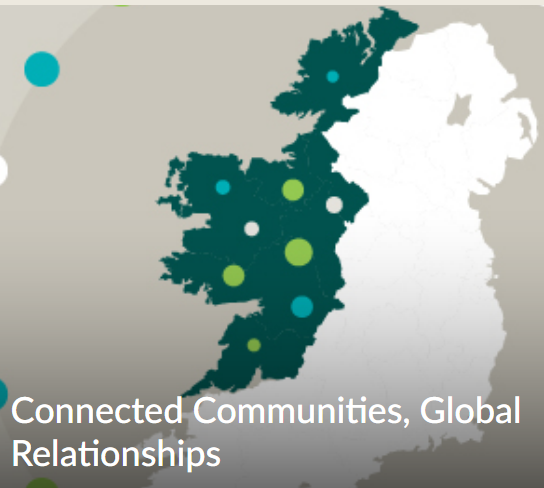
The report, Connected Communities, Global Relationships, is the first comprehensive regional study of its kind and examines how people and organisations in counties Donegal, Sligo, Leitrim, Roscommon, Mayo, Galway and Clare work to build meaningful links with people overseas who retain family, cultural, professional and emotional connections to the region.
Drawing on 240 responses representing 178 organisations and groups, the research found that diaspora engagement is notably strong across the region, led by local authorities, community organisations, heritage groups, tourism projects, sports clubs and educational institutions, with much of the activity underpinned by volunteerism and personal commitment. Forty-seven per cent of respondents said they already actively engage with the diaspora, while a further 35 per cent said they would like to do more than they currently are.
The strongest motivation identified was maintaining bonds of friendship and connection, ranking ahead of fundraising or commercial return. Respondents also pointed to the importance of diaspora links in supporting tourism, local pride, skills exchange, business opportunities and long-term community resilience.
However, the report also found that much of this work is taking place without dedicated resources, shared systems or consistent strategic support. Many organisations cited lack of time, staffing capacity and difficulty maintaining long-term relationships despite strong goodwill and growing demand.
The study identified key international links for the region across Britain, North America, Australia and mainland Europe, with cities such as London, Boston and New York continuing to feature strongly as important centres of connection.
Speaking at the report launch, Allan Mulrooney, Chief Executive of the Western Development Commission, said:
“For the West and Northwest, diaspora relationships represent a significant strategic asset. They include skills, experience, networks, advocacy, cultural capital and investment potential. Few regions have experienced migration on the scale seen here or retain such strong emotional and practical connections across generations. With stronger coordination, dedicated support and sustained ambition, the potential exists not only to deepen existing relationships, but to unlock new opportunities for communities, enterprise and future generations across the region.”
Dr Aisling Moroney, who led the research on behalf of the WDC, said:
“This study shows very clearly that the foundations for stronger diaspora engagement already exist across the West and Northwest. Communities, local authorities, festivals, heritage groups and many other kinds of organisations are maintaining valuable relationships every day, often through volunteer effort and with limited resources. What emerged from the research was not a lack of interest or ambition, but a clear appetite to do more and to strengthen what already exists.
A notable theme of the work being done is the strong sense of responsibility towards ‘our people abroad’, accompanied by a desire to honour and maintain connections with the
The report highlights a series of case studies from across the region, including island communities, festivals, heritage projects, local authority strategies, cultural centres and international initiatives that demonstrate what can be achieved when strong local identity is matched with practical outreach and sustained relationships.
Examples include Inishturk Island in Mayo, where diaspora engagement is helping shape long-term community planning, the Mary from Dungloe International Arts Festival in Donegal, founded to bring emigrants home and now attracting 45,000 visitors, the Global Irish Famine Way project in Roscommon, and heritage-led initiatives in Kilrush in Co Clare helping descendants trace family roots back to specific townlands and homes.
The report recommends stronger regional coordination and networking, improved access to shared communications and engagement tools, more structured collaboration between organisations and a greater focus on converting goodwill into practical action. It also points to the value of recognising that different diaspora groups may engage for different reasons, from heritage and identity to business opportunity, return migration or skills exchange.
The Western Development Commission will host a public webinar on the 2nd of June at 11:00am to examine the report findings and discuss how communities, agencies and diaspora networks can work together to build the next phase of engagement across the region.