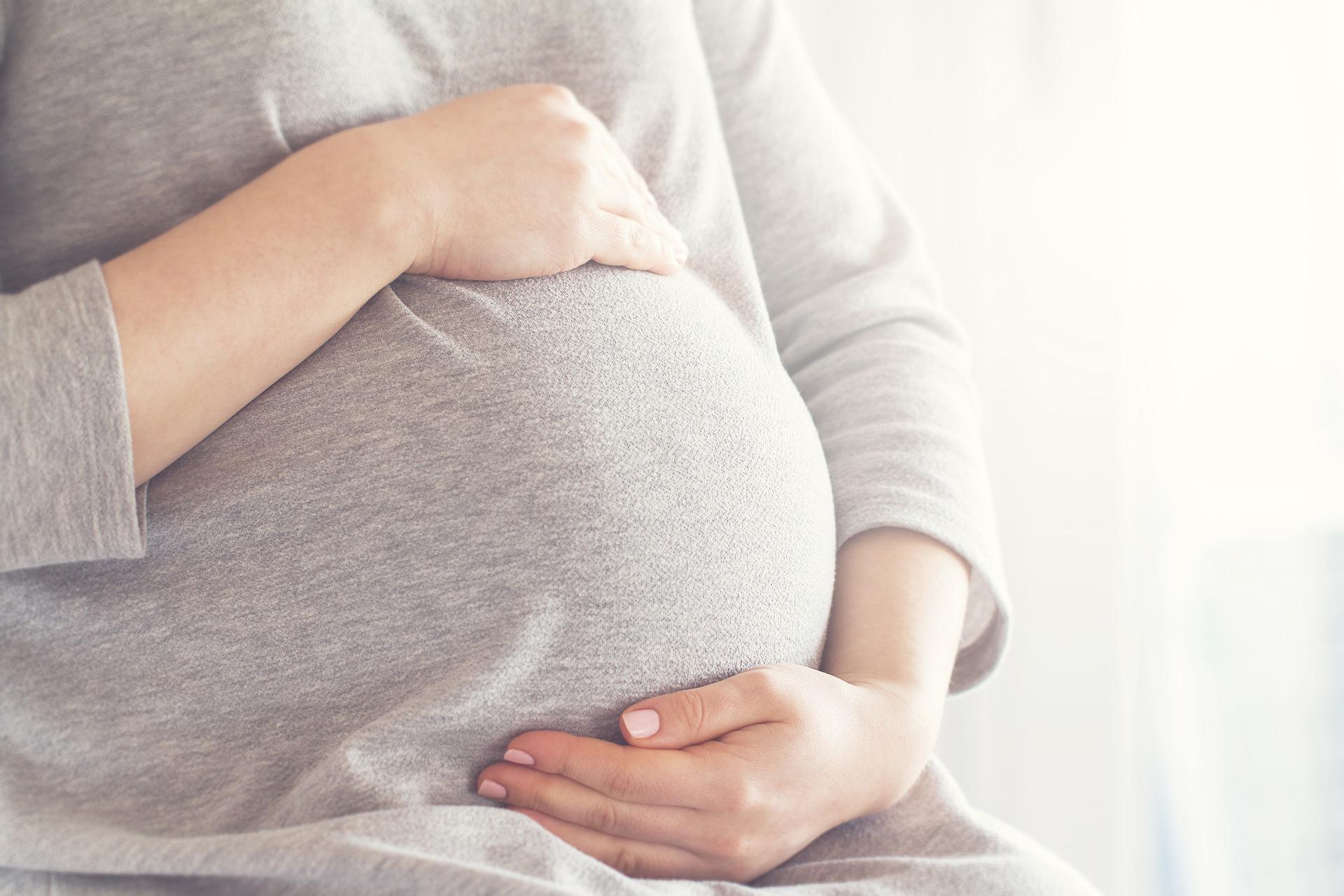
A new cross-border research report has been published today, providing guidance for pregnant and postpartum women on engaging in physical activity.
The report conducted by Ulster University and Atlantic Technological University found major gaps in physical activity support for women across Ireland.
The research undertaken by Dr. Lizzy Deery and Dr. Maria Faulkner has revealed a significant evidence-to-practice gap across the island.
The authors of the report say that while physical activity is widely recognised as beneficial during pregnancy and postpartum, many women are not receiving information or support to feel confident to get active.
According to the study, 28% of women surveyed received physical activity advice during pregnancy, while 17% felt supported to be active.
Respondents reported uncertainty about what activity was safe, while others said inconsistent guidance discouraged movement rather than enabling it.
The research shows that the postpartum period is marked by a lack of guidance on returning to activity, despite research showing movement can support recovery, reduce anxiety, and protect maternal mental health.
The research team from both Universities now aims to launch a new programme to dispel myths and create practical guidance for pregnant and postpartum individuals.
*******
(Report in full)
New All‑Island Research Exposes Critical Gaps in Physical Activity Support for Pregnant and Postpartum Women
Findings released during Maternal Mental Health Awareness Week 2026 highlight urgent need for action to deliver physical activity support and guidance during and after pregnancy.
A cross‑border research initiative has revealed a significant evidence‑to‑practice gap across the island of Ireland, leaving pregnant and postpartum individuals without the support they need to stay active during some of the most physically and emotionally demanding stages of life.
Led by Dr Lizzy Deery (Ulster University) and Dr Maria Faulkner (Atlantic Technological University), the research found that while physical activity is widely recognised as beneficial during pregnancy and postpartum, many women are not receiving the information or support needed to feel confident and safe being active.
Across the studies, only 28% of women surveyed reported receiving any physical activity advice during their pregnancy, while 17% said they felt supported to be active.
The findings highlight widespread confusion, fear and feelings of judgement among expectant and new mothers. Many participants reported uncertainty about what activity was safe, while others described fear‑based messaging and inconsistent guidance that discouraged movement rather than enabling it.
These challenges intensify after childbirth, when women face profound physical and emotional changes. The research shows that the postpartum period is marked by a striking lack of guidance on returning to activity, despite strong evidence that movement can support recovery, reduce anxiety, and protect maternal mental health.
A call to action during Maternal Mental Health Awareness Week 2026
The findings are released during Maternal Mental Health Awareness Week 2026, which highlights the emotional realities of pregnancy and early parenthood.
With perinatal anxiety and depression affecting thousands of families each year, researchers say the absence of clear physical activity guidance represents a missed opportunity to support maternal wellbeing.
However, participants shared that this return is difficult, with a lack of support available:
“For women returning … there’s not enough help out there … a lot of women have histories of tears and things through pregnancy, but actually [they] don’t know what to do in the return … a lot of women is put off then, because you end up with weak bladders and end up leaking … it’s off putting for women that don’t know … don’t have the support.” (Gym-goer, 36-45 years old, mother of two)
Another participant said:
“I think there should be, in society, more availability of [child-friendly] exercise … not just like a 6-week course or something like that, or pushing your buggy with other mothers around a park. I think it should be a bit more welcoming ….” (Gaelic footballer, 36-45 years old, mother of two)
Illustrating how positive it can be when support and guidance are available, one participant said:
“I am very grateful to the healthcare professionals for the sound advice they gave. I was confident to continue exercising and reduce [this] when I didn’t feel able any longer. I saw lots of my friends just stop exercising and they struggled to resume post pregnancy. I felt strong and able for labour as I felt so fit.”
Dr Lizzy Deery, Program Director BSc Sport, Physical Activity and Health at Ulster University, said:
“This is the first time women’s experiences of physical activity support during pregnancy and after birth have been explored at this scale across the island of Ireland, and we’re incredibly proud to bring those voices to the forefront. This work marks the culmination of an ongoing, successful cross-border collaboration, which now provides a springboard for the all-island collective which we have founded, as well as national and international projects to continue to drive the momentum and optimise physical activity support and guidance across preconception, pregnancy and postpartum. We are passionate about improving the support and guidance available for all during preconception, pregnancy and postpartum. From those starting out with physical activity, all the way through to elite athletes.”
Dr Maria Faulkner, a Lecturer and Researcher at Atlantic Technological University added:
“By establishing this evidence base for the first time on the island of Ireland, we now have a strong foundation to act. We have developed a cross-border led, all-island programme of work with national and international collaborations, focused on creating clear, supportive pathways for both women and the professionals who care for them. Our aim is simple: to empower women to make informed decisions about their physical activity, and support professionals to guide women to do so. Ultimately, we want this to feel normal and accessible for every woman, when appropriate, during pregnancy and postpartum.”
In response to the findings, the research team is launching a new programme of work designed to dispel myths, challenge fear‑based narratives, and co‑create practical, empowering guidance for pregnant and postpartum individuals.
The goal is to ensure that physical activity promotion becomes a normalised, supported part of every maternity care journey. Researchers say this represents an opportunity for the island of Ireland to lead innovation in maternal and intergenerational health by translating research into practice and improving long-term outcomes for women, babies, and families.
About the research
This work represents a collaboration between Ulster University and Atlantic Technological University and draws on three major studies examining physical activity knowledge, confidence, and experiences during pregnancy and postpartum.